Do you find yourself in search of information and facts about 4 Ways to Troubleshoot Low Water Pressure?
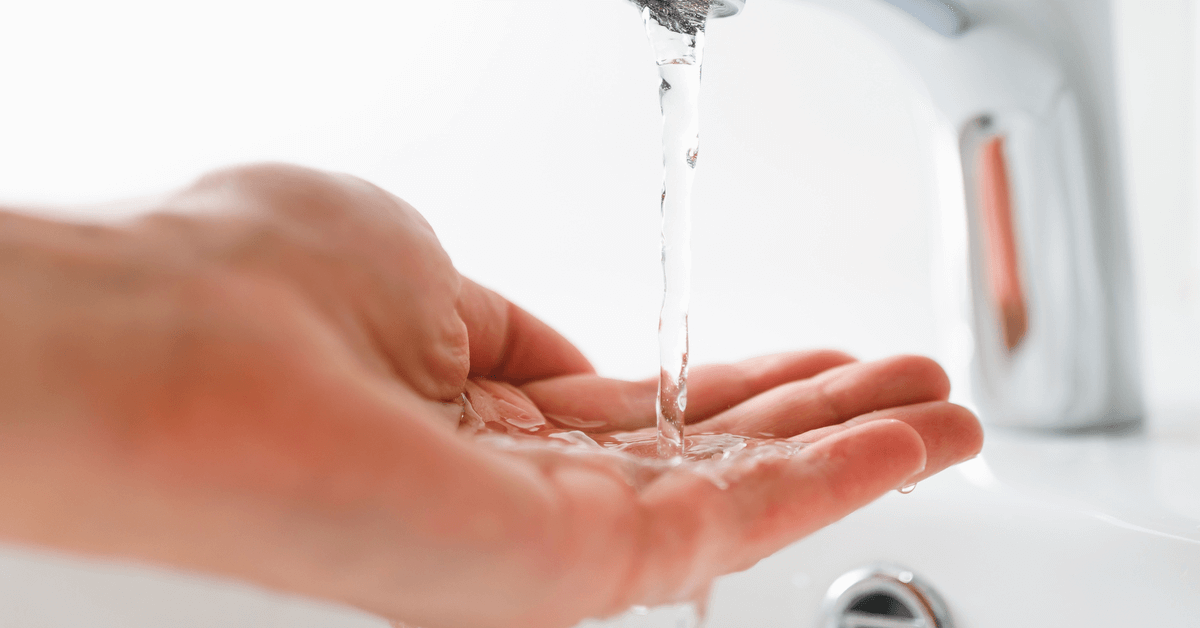
Low water stress in your home can be an aggravating issue, influencing every little thing from bathing to washing meals. If you're experiencing weak water circulation, there are several feasible causes and remedies to explore. In this guide, we'll talk about typical factors for low tide pressure and useful steps to attend to the issue effectively.
Introduction to Low Water Pressure
Low tide stress happens when the flow of water from your faucets, showers, and various other components is weaker than typical. This can make everyday jobs more difficult and less efficient. Recognizing the causes of low water stress is essential to finding the appropriate solution.
Typical Sources Of Low Tide Pressure
Pipeline Obstructions
In time, pipelines can come to be blocked with natural resource, sediment, or particles, limiting the circulation of water. This is an usual problem in older homes with galvanized steel pipelines.
Rust
Rust within pipes can cause leakages and lowered water pressure. Rust buildup can constrict water flow, particularly in maturing plumbing systems.
Faulty Stress Regulatory Authorities
Pressure regulatory authorities are responsible for keeping consistent water pressure in your home. If they malfunction, it can cause low water stress or uneven flow throughout your house.
Municipal Water System Issues
Sometimes, the trouble exists outside your home. Community water system concerns, such as main line leaks or upkeep work, can briefly lower water pressure in your location.
Exactly How to Detect Low Water Pressure
Inspecting Taps and Fixtures
Start by examining the water pressure at various taps and components throughout your home. If the concern is isolated to details areas, it might suggest local troubles.
Examining Pipelines
Check noticeable pipelines for indications of leakages, deterioration, or clogs. Take notice of any type of unusual sounds, such as knocking or rattling pipes, which could suggest problems within the plumbing system.
Consulting with a Plumber
If you're not able to identify the cause of low tide pressure, think about employing a specialist plumber to carry out a comprehensive examination. They can recognize underlying problems and suggest ideal services.
DIY Solutions to Fix Low Tide Stress
Cleaning Up Aerators and Showerheads
Natural resources can collect in aerators and showerheads, decreasing water circulation. Eliminate and cleanse these parts on a regular basis to boost water stress.
Flushing Hot Water Heater
Debris build-up in the hot water heater can restrict circulation and minimize efficiency. Purging the tank regularly aids eliminate sediment and maintain optimal performance.
Inspecting Pressure Regulator
Make certain that the pressure regulatory authority is working appropriately. Adjusting or changing the regulator can help recover proper water stress throughout your home.
Cleaning Clogs in Water Lines
For minor clogs, attempt using a plumbing serpent or chemical drainpipe cleaner to clear blockages in pipelines. Be cautious when making use of chemicals and adhere to safety guidelines.
When to Call a Specialist Plumber
If DIY initiatives fall short to solve the issue or if you suspect considerable plumbing troubles, it's best to look for support from a licensed plumber. They have the competence and tools to resolve complicated problems securely and efficiently.
Preventive Measures to Maintain Water Stress
Routine Upkeep
Set up routine upkeep for your plumbing system to prevent concerns such as rust, leakages, and clogs. Attending to small problems early can aid prevent more considerable fixings in the future.
Installing a Stress Booster
Consider setting up a stress booster pump to boost water stress in areas with continually low circulation. This can be especially useful for multi-story homes or properties with high-demand fixtures.
Monitoring Water Usage
Bear in mind water use behaviors and stay clear of overtaxing the plumbing system. Basic changes, such as staggering showers and washing lots, can help keep sufficient water pressure.
Conclusion
Managing low tide stress can be irritating, however recognizing the underlying causes and implementing ideal remedies can recover optimum flow throughout your home. Whether it's cleaning aerators, evaluating pipelines, or consulting with a plumber, taking proactive steps can guarantee a consistent supply of water for your daily demands.
FOUR WAYS TO FIX LOW WATER PRESSURE NOW
Turning on a shower or faucet only to find the water comes out in a sad, slow drizzle is never a good feeling. How exactly are you supposed to wash a pan or take a quick shower when it takes 10 minutes just to rinse off a little soap? The good news is that when your water pressure is bad, there's always a cause: typically one that can be easily fixed. Here are some of the most common causes of low pressure and what you can do to fix the issue:
DEBRIS AND MINERAL DEPOSIT BUILDUPS
If you notice low water pressure from just one or two of the fixtures in your house, the problem likely has to do with debris buildup. Water is full of minerals and other debris, all of which can accumulate in your pipes and on your fixtures. This can cause a blockage that affects how much water flows through. To fix this, try filling a small plastic bag with white vinegar, and use a rubber band to hang it around your showerhead or faucet. Let the head of the fixture soak for a few hours, and the vinegar should loosen the deposits.
WATER LEAKS
Leaks are another common cause of low water pressure. If water is flowing out of your plumbing through a hole or crack before it can reach your fixture, the pressure coming out of the faucet or showerhead will be lower. A plumbing professional is your best bet for finding and repairing a leak in your water supply pipes.
Leaks are another common cause of low water pressure. If water is flowing out of your plumbing through a hole or crack before it can reach your fixture, the pressure coming out of the faucet or showerhead will be lower. A plumbing professional is your best bet for finding and repairing a leak in your water supply pipes.
FOUR WAYS TO FIX LOW WATER PRESSURE NOW
Turning on a shower or faucet only to find the water comes out in a sad, slow drizzle is never a good feeling. How exactly are you supposed to wash a pan or take a quick shower when it takes 10 minutes just to rinse off a little soap? The good news is that when your water pressure is bad, there's always a cause: typically one that can be easily fixed. Here are some of the most common causes of low pressure and what you can do to fix the issue:
DEBRIS AND MINERAL DEPOSIT BUILDUPS
If you notice low water pressure from just one or two of the fixtures in your house, the problem likely has to do with debris buildup. Water is full of minerals and other debris, all of which can accumulate in your pipes and on your fixtures. This can cause a blockage that affects how much water flows through. To fix this, try filling a small plastic bag with white vinegar, and use a rubber band to hang it around your showerhead or faucet. Let the head of the fixture soak for a few hours, and the vinegar should loosen the deposits.
WATER LEAKS
Leaks are another common cause of low water pressure. If water is flowing out of your plumbing through a hole or crack before it can reach your fixture, the pressure coming out of the faucet or showerhead will be lower. A plumbing professional is your best bet for finding and repairing a leak in your water supply pipes.
Leaks are another common cause of low water pressure. If water is flowing out of your plumbing through a hole or crack before it can reach your fixture, the pressure coming out of the faucet or showerhead will be lower. A plumbing professional is your best bet for finding and repairing a leak in your water supply pipes.
A VALVE ISSUE
If you have low water pressure throughout your home, check your main shut-off valve to make sure it's completely open. You may also want to see if there's a pressure-reducing valve installed. If there is, have a plumber help you adjust the settings to get the pressure you're looking for.
OTHERS USING WATER
Believe it or not, your low water pressure could be caused by your neighbors. If you notice low pressure at certain times of day, it may be because you and the people living next to you have similar schedules - when everyone is showering at the same time, the pressure will be lower in every home. Low pressure throughout the neighborhood may also be caused by an issue with your municipal water supply. If that's the case, call the supplier to see if they're working on the issue.
https://www.rotorooter.com/blog/water-leaking/low-water-pressure-fixes/
I have been very eager about and I'm hoping you appreciated the article. For those who enjoyed our blog posting kindly do not forget to pass it around. Many thanks for your time spent reading it.
Call Today